Hans Christian Andersen: Misunderstood Storyteller?
Hans Christian Andersen: Misunderstood Storyteller?

Popular perceptions of Hans Christian Andersen paint him out to be the subject of a fairy tale: escaping from a life of poverty, we are told that Andersen was an ugly duckling that forged his path in the world of writing, living his life out through the art of the written word and implanting insightful, morally correct themes into childrens' fairy tales.
But — as is the case with many celebrities we think lead perfect lives (see: Armie Hammer and his cannibalistic tendencies) – Andersen's public image was carefully curated to support his romanticized status as a writer of fairy tales.
In fact, there's an entire book about how abnormal his life was, and how it differed from these glossed-over perceptions of Anderson in pop culture: in Hans Christian Andersen: the Misunderstood Storyteller, Jack Zipes traces the rise of the writer to his egocentric pursuit towards fame and his complicated relationship with sexuality. A cursory glance at the book reveals that Andersen isn't as fairy-tale-ish as we thought he was— in the same way, the more we look at his stories, the more we can de-codify the intricately strewn themes of conservative religion, expectations regarding sexuality and his own tumultuous upbringing in his works.

Andersen himself commented that many of his works were loosely autobiographical. "Most of what I have written is a reflection of myself," he said. "Every character is from life. I know and have known them all."
Throughout his life, Andersen lived in fear of many things, racking up several phobias including a fear of being buried alive, a fear of dying in a burning building, a fear of dogs, a fear of pigs, and much more. Perhaps this is why he presents such irrational and strange fears in his stories, making for an imaginative story: in stories like The Little Mermaid and The Snow Queen, we see overarching plots that are fueled by his fears of death— everything revolves around death or punishment.
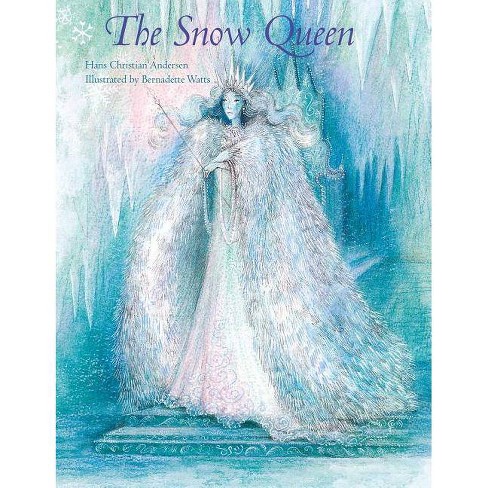
Many of his conservative beliefs are also represented in his stories. Andersen himself was a very religious man, and he carried this into his written work. He has certain ideas about womens' place in society, and family structure. He also embeds heavily religious themes into his work, as we've seen with the angel imagery in The Snow Queen.
Many rumors have also swirled around his sexual life, with some alleging that he was celibate. If so, that fits into his perception of love as portrayed in his stories. He negates sexual attachment and consistently messages that emotional love trumps physical infatuation.
Details of his life are still largely unknown– who knows what else we don't know about him?
I also researched into Hans Christian Anderson's life, and was often shocked by what I discovered! He truly wasn't kidding when he said his works were a reflection of him! I saw this most obviously in his story "The Little Mermaid" and his struggles with his sexuality and unrequited love. It was interesting to reconsider both of the stories with the thought of his life in mind. What did you think was the most interesting part of the stories in this new context?
ReplyDeleteIt's interesting that you mentioned Andersen's conservative beliefs regarding women's roles and religion. I haven't done extensive research on this, but I feel as though many fairy tale writers might have shared similar beliefs, as we often see the same ideas portrayed in other classics, especially themes of "damsel in distress" or magic. These are the stories we have grown up consuming, but do you think the next generation will be consuming different types of tales that involve more women, minority, or LGBTQ+ characters in power?
ReplyDeleteI think your connection to Armie Hammer is a *really* interesting one, Derek -- and this idea that we portray celebrities' lives through rose-tinted lenses...and maybe the effect that has on them? I'm thinking specifically of Britney Spears and the way we're reexamining the media portrayal of her over the years...
ReplyDeleteI know you've got an interest in the media -- can you think of any other celebrities who fit this narrative and/or fall? What's the impact of viewing people this way?