On "Boys" and Toxic Masculinity
For my final project, I’m taking a look at Charli XCX’s viral music video for her hyperpop song “Boys.”
The music video itself was original, but many aspects of it were borrowed from ongoing trends in celebrity, color choice and masculinity.
The instant virality of “Boys” can be attributed to — quite obviously —the boys in the music video. Or more so, what they’re doing: yes, they’re objectively hot, but they’re also poking fun at gender roles. Sculpted, shirtless boys are depicted holding chainsaws and biting into pancakes— but they do so with a hint of wholesomeness, a grin emerging from their face.
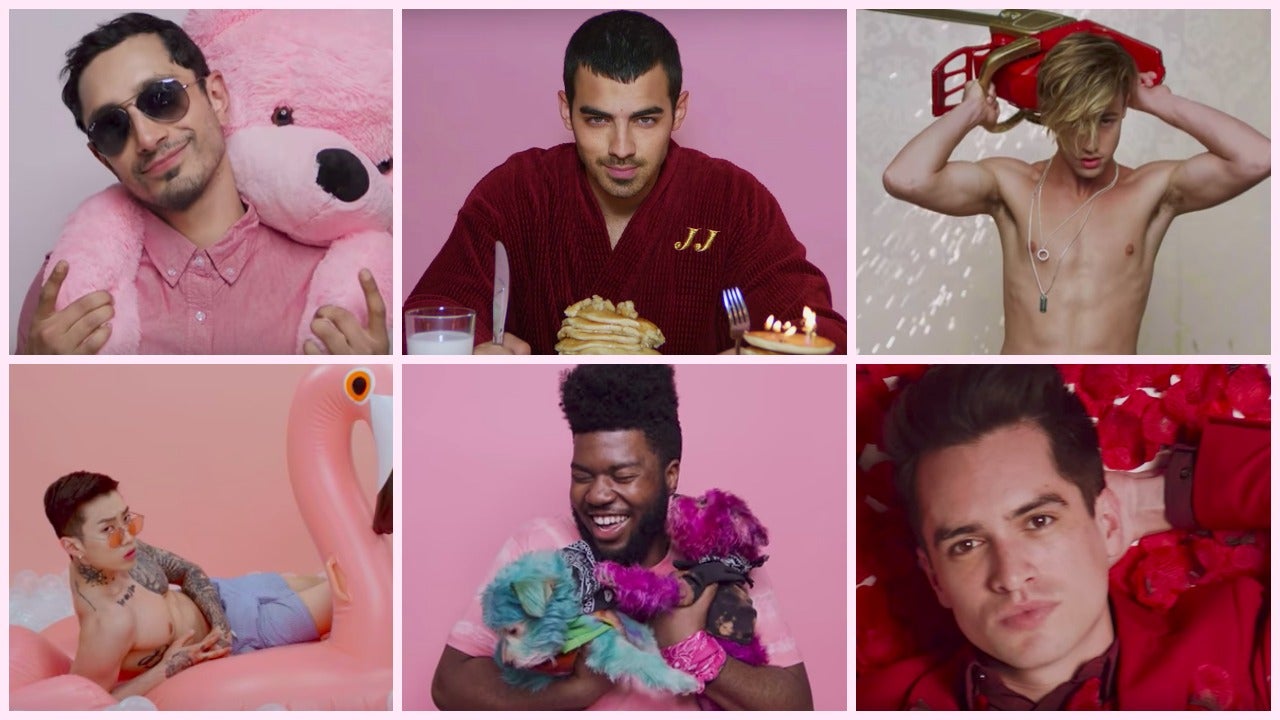
In this aspect, part of “Boys” digital popularity is due to its nuanced, almost parodic representation of masculinity and male happiness; the music video, released in 2017, came at a time when our systems of patriarchy were being reckoned with as the MeToo movement gained traction and conversations around toxic masculinity started happening.
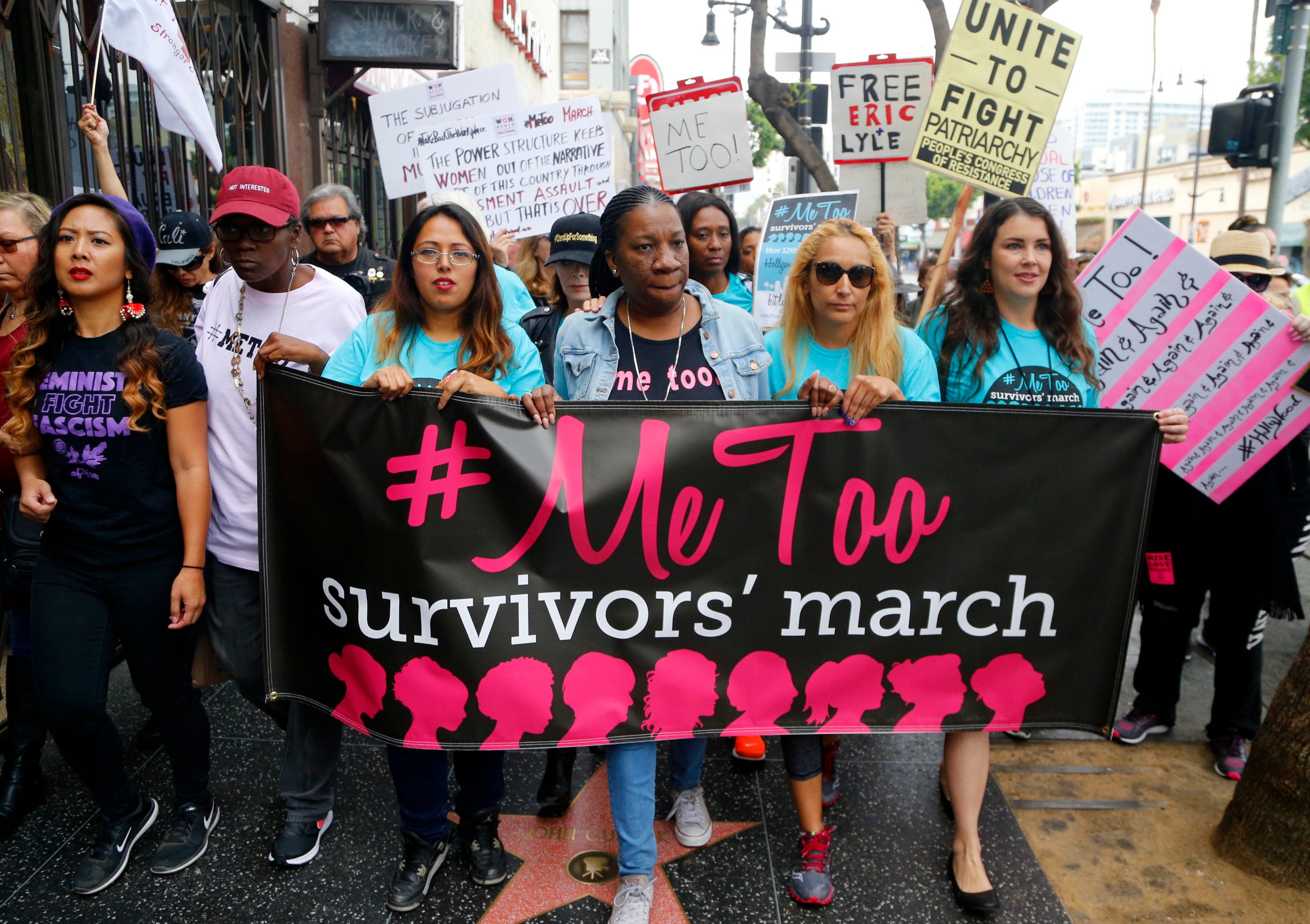
Thus, we can look to these historical moments of gender breakdown to investigate how “Boys” fit into the larger trends of accountability and newer, socially acceptable forms of masculinity.
In early 2019, Gillette released their “The Best Men Can Be” commercial. The commercial sparked national outrage as people — mainly straight, cisgender white men — began to lash out at the legacy shaving company for buying into what they perceived to be “virtue signaling PC guff.” Though widely unpopular among right-winged viewers, the commercial was applauded by many liberal commentators who believed in free, diverse
representations of male expression and emotion.
Thus, the commercial, which came out a bit after the “Boys” music video, signifies a larger cultural shift towards newer versions of masculine happiness and emotional expression. This allows us to contextualize “Boys” in a storied time of new experimentations and interpretations of American masculinity.
I loved Charli XCX's music video! I think it's a really interesting topic you're talking about, especially with all the recent discourse between masculinity and the way that it should be presented throughout the media and throughout peoples lives. It made me think about the recent Tik Tok trends where it uses the quotes from Candice Owens where it says that men cannot wear dresses, and then changes to Harry Styles music, which is significant because Candice Owens specifically attacked him and the way he often dresses "femininely" and wears dresses, and shows so many men showing off their version of fashion and how they won't conform to society. I love this trend and I'm excited to see how it impacts society.
ReplyDeleteI love that your linked to a Piers Morgan Tweet, Derek, because Piers Morgan always has something (the wrong thing...?) to say about anything that makes headlines, usually revealing some narrow opinions (e.g., trans rights, the BLM movement; even Megan Markle...)
ReplyDeleteYou talked a lot about intersectionality in your last post; how does intersectionality fit into this context, from your perspective? That is, you mention the #metoo movement, which has become dominated by white women, largely thanks to Alyssa Milano. The intersectionality simply among women gets overshadowed, as the fact that the movement was started by a Black women tends to gets lost in the dominant narrative. Are there other intersectional moments that you see that are similarly getting lost?